
Brewing Balanced Perfection: A Comprehensive Kalita Wave Pour Over Guide
A step-by-step guide to crafting exceptional pour over coffee with the Kalita Wave, perfect for mindful brewing enthusiasts and consistent morning rituals.

What is the Kalita Wave? Exploring the Flat-Bottom Dripper
Some coffee brewing methods demand mastery. Others gently guide you towards a balanced cup. The Kalita Wave undeniably belongs to the latter category, offering a user-friendly yet precise pour over experience.
Upon initial inspection, the Kalita Wave dripper appears deceptively simple. It features a flat bottom, subtly sloping sides, and uniquely designed wave-shaped paper filters. However, this minimalist design embodies a well-thought-out brewing philosophy. Unlike many cone-shaped pour over brewers that funnel water through a deep coffee bed, the Kalita Wave promotes a more uniform coffee bed. Water distributes evenly across the surface before flowing through three strategically placed holes at the base. This encourages consistent extraction, minimizing the need for flawless pouring techniques to achieve a balanced flavor profile.
This design philosophy is precisely why many home baristas are drawn to flat-bottom brewing. It offers structure and consistency without being overly restrictive. You still retain control over essential brewing parameters such as the pour rate, bloom, and final flavor, but the dripper itself helps maintain a steady and predictable brewing process. The Kalita Wave helps achieve a reproducible and balanced result even for beginner baristas.
In my personal brewing routine, the Kalita Wave is often my go-to choice when clarity and reliability are paramount. It consistently yields a cup that feels well-rounded and composed, particularly when using medium roasts or coffees that benefit from a more gentle extraction profile. While cone drippers can feel more dynamic and fast-paced, the Kalita Wave introduces a sense of calm and control to the entire process. It’s about consistency and deliciousness, morning after morning.
The widespread appeal of the Kalita Wave pour over method stems from its accessibility. Novice brewers appreciate its forgiving nature, while seasoned baristas value the repeatability of its results. This harmonious blend of ease of use and precision is what distinguishes the Kalita Wave coffee experience.
Kalita Wave 155 vs. Kalita Wave 185: Choosing the Right Size
For the majority of home coffee enthusiasts, I genuinely believe that the Kalita Wave 155 is more than sufficient. While it is indeed the smaller of the two options, it exhibits surprising versatility when you slightly adjust your brew size.
Prior to acquiring my home espresso machine, I exclusively used the 155 for our daily morning coffee ritual. My husband and I would share a single, slightly larger pour over each day, and it worked perfectly. One of my preferred brewing ratios at the time was 20 grams of coffee to 300 grams of water. This produced two well-balanced cups without feeling oversized or difficult to manage.
This positive experience is why I often recommend the 155 as an excellent starting point for anyone venturing into home brewing. It maintains a calm and focused workflow while still providing the flexibility to scale up just enough for two people. The 185 certainly has its place, particularly for larger batches or recipe experimentation. However, for everyday mornings, the 155 feels quietly perfect and efficient.
Kalita Wave vs. V60: Understanding Flat Bottom vs. Cone Brewers
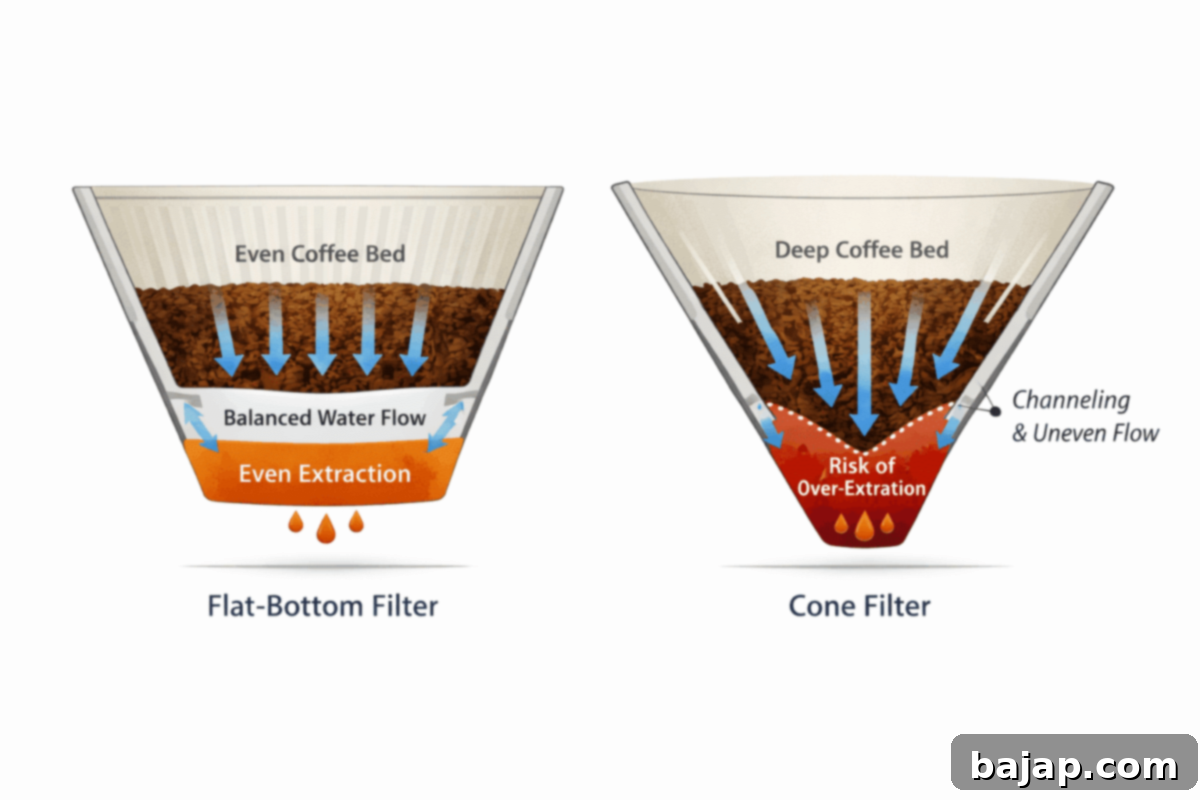
When you position a Kalita Wave and a V60 side by side, the fundamental difference becomes readily apparent even before you begin pouring. One brewer cultivates a wide, level coffee bed. The other forms a deep cone that directs water towards a central point. While both are capable of producing exceptional pour over coffee, they guide water through the coffee grounds in distinctly different ways, which significantly impacts extraction from the initial bloom.
The Kalita Wave employs a flat-bottom design with multiple drainage holes that encourages water to spread across the surface before flowing downward. The V60, on the other hand, utilizes a conical shape that concentrates flow towards the center, resulting in a faster, more focused extraction. Neither design is inherently superior or inferior; they simply create different brewing dynamics and accommodate different pouring styles. The choice between them is a matter of preference and desired outcome.
The Significance of Coffee Bed Shape
One of the most crucial distinctions between a Kalita Wave pour over and a V60 lies in the shape of the coffee bed itself. While many brewers primarily focus on grind size or pouring technique, the geometry of the coffee bed silently dictates how water flows through the grounds.
In a cone dripper such as the V60, the coffee grounds settle into a deeper central point. Water naturally travels toward this narrow exit, creating a very expressive brew when the pouring technique is precise. Because the flow is concentrated towards the middle, even subtle variations in kettle movement can influence the extraction process.
Flat-bottom brewers like the Kalita Wave dripper distribute the coffee grounds into a more level layer. Instead of rushing toward a single central channel, water moves across the bed more evenly before exiting. This broader distribution often results in a calmer and more forgiving brew, making it particularly well-suited for everyday home brewing.
Understanding Coffee Bed Depth in Gravity Brewers
The shape of the dripper also dictates the depth of the coffee bed, which plays a surprisingly significant role in the extraction process. Most gravity-fed brewers perform optimally within a moderate bed depth range. This allows sufficient contact time between the water and the grounds while maintaining a steady flow.
When the coffee bed is too shallow, water can pass through too quickly, especially with finer grind sizes. Conversely, when the bed is excessively deep, the drawdown slows, and certain areas may extract more heavily than others. The goal is not to achieve a precise measurement but rather a visually balanced depth that promotes even saturation.
Cone-shaped brewers naturally create a deeper center due to their tapered design. This deeper structure often benefits from careful circular pouring to maintain uniform extraction. Flat-bottom brewers, on the other hand, form a shallower, more consistent layer across the base, encouraging even flow without requiring constant adjustment.
Factors That Influence Coffee Bed Depth
Several brewing choices subtly influence how the coffee bed behaves during a Kalita Wave coffee or V60 brew. Mastering these aspects allows for fine tuning and control of the brew.
Grind Size
Finer grind sizes slow water movement and can work well with shallower beds. However, if the layer becomes too thin, over-extraction may occur. Coarser grinds typically benefit from a slightly deeper bed, allowing water sufficient time to interact with the grounds. Finding the perfect grind size is the most important aspect in pourover coffee.
Roast Level
Light roasts sometimes respond well to a bit more depth, which extends contact time and supports fuller extraction. Darker roasts dissolve more easily and often taste best with a gentler, shallower structure.
Brew Ratio
Your coffee-to-water ratio influences how the bed forms within the dripper. Standard pour over ratios naturally create a depth that supports steady extraction. When doses become very small or very large, you may observe changes in the flow pattern along with the bed shape.
Water Flow and Extraction Differences
Cone brewers, like the V60, tend to emphasize movement and responsiveness. Water gravitates towards the bottom point, which can highlight bright acidity and complex flavors when the pouring technique is precise. However, this focused flow can also be unforgiving if your pours become uneven or overly aggressive.
Flat-bottom brewers gently slow the flow by distributing water across a wider surface. Rather than concentrating extraction in the center, the Kalita Wave encourages balance across the entire bed. Many home brewers describe the resulting cup as rounded, consistent, and dependable, which is one of the key reasons why flat-bottom drippers are often recommended for everyday brewing.
Why Flat-Bottom Brewers Feel More Stable
Because the coffee bed maintains a relatively uniform depth, flat-bottom brewers reduce the likelihood of water carving a fast channel through the middle of the grounds. This does not eliminate the need for good technique, but it lessens the impact of minor pouring inconsistencies.
This inherent stability is one of the reasons why I personally favor the Kalita Wave so often. It allows me to focus on the flavor profile rather than constantly correcting my pouring technique. The result is a brew that feels composed and repeatable, morning after morning.
Cone drippers still have a valuable place in coffee brewing. They encourage experimentation and reward meticulous technique. Flat-bottom brewers simply offer a different approach, one that is calm and quietly reliable.
Kalita Wave Filters and Brewing Materials
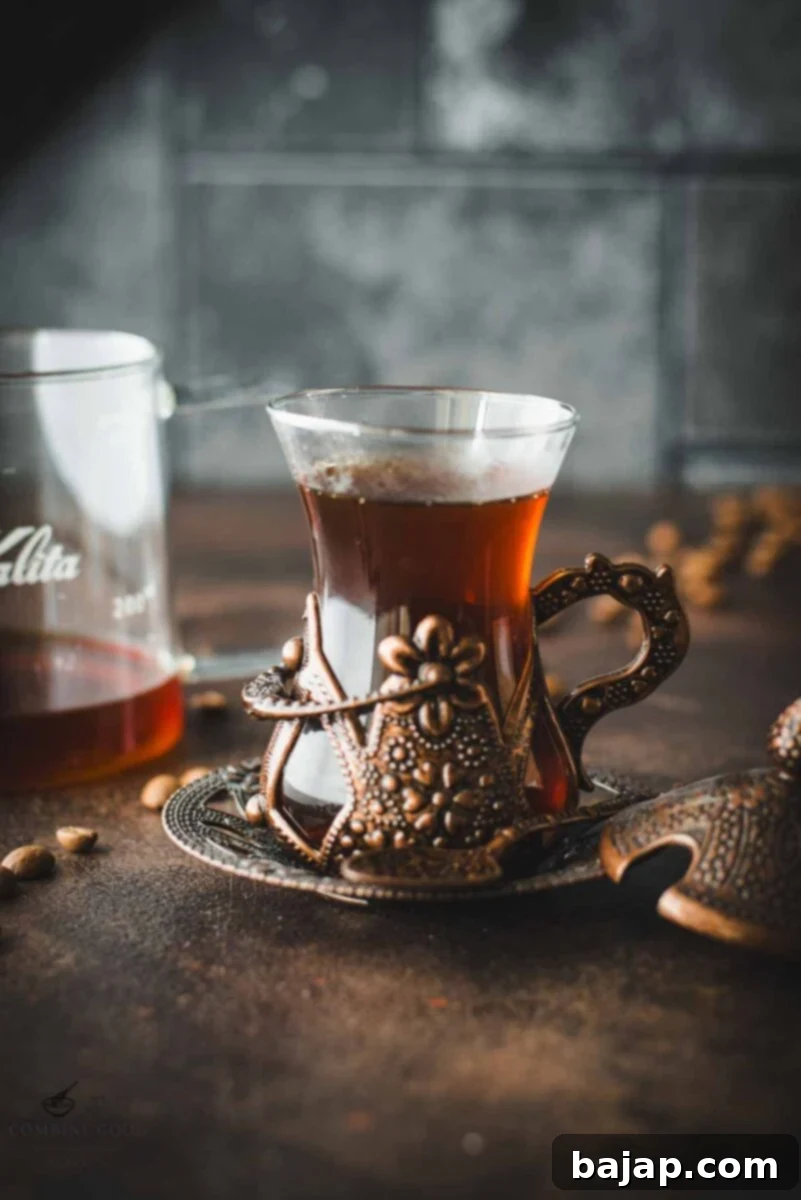
One of the subtle details that sets the Kalita Wave dripper apart is its wave-shaped paper filter. At first glance, the ridged design may seem purely aesthetic, but these folds actually serve a practical purpose. They help keep the filter slightly elevated away from the dripper walls, promoting even water flow and preventing the paper from collapsing against the sides during brewing. These filters are a key aspect to consider for coffee brewers.
When everything works harmoniously, the result is a stable brewing structure that supports the flat coffee bed discussed earlier. The filter allows for controlled and precise brews.
Choosing the Right Kalita Wave Filters
Kalita filters are specifically designed to match their corresponding dripper sizes. Therefore, you will typically choose between filters made for the Kalita Wave 155 or the Kalita Wave 185. Using the correct size helps maintain a level coffee bed and ensures that water distributes evenly across the surface. Different sizes for coffee filters is important when considering pourover brews.
Paper thickness can also play a role. Some batches of Kalita filters may exhibit slightly slower flow rates than others, which can impact drawdown time. If your brew appears to stall, adjusting your grind size or pouring pace usually resolves the issue. This requires a great amount of experience in coffee brewing.
Before brewing, I always thoroughly rinse the filter with hot water to eliminate any papery taste and preheat the dripper. And here is a small habit that might seem a bit obsessive, but it is important to me: I rinse the filter into a separate cup instead of directly into my brewing carafe. I keep a small cupping cup nearby just for this step, then discard the rinse water before beginning the brewing process. Most experience baristas can agree that this is an essential part of coffee brewing.
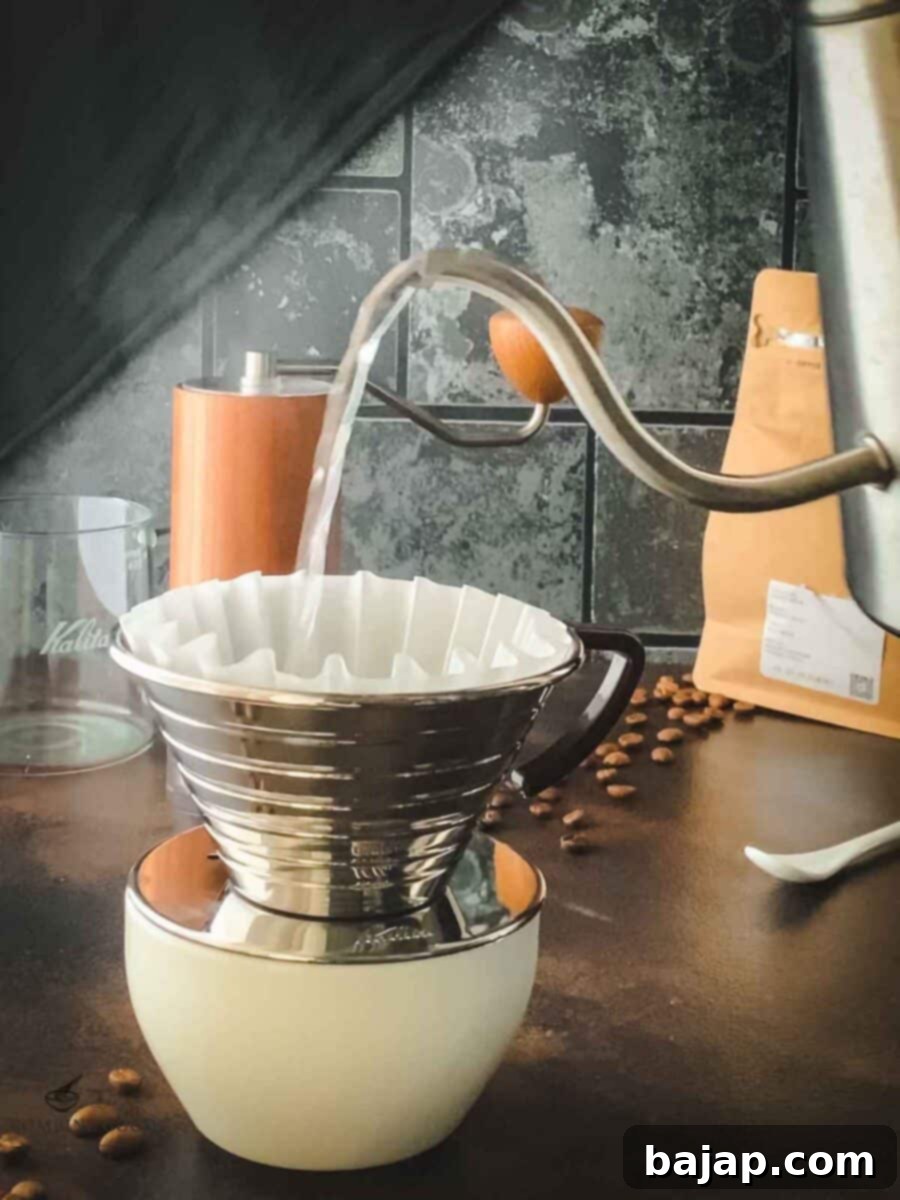
This ensures that the water used for rinsing never comes into contact with the glass jug where the final coffee collects. It promotes a clean workflow and allows me to begin each brew with a fresh, intentional start.
Stainless Steel, Ceramic, or Glass? The Dripper Material Matters
The Kalita Wave is available in several materials, and while all of them can produce excellent coffee, I personally prefer stainless steel almost every time. Each material has subtle effects that impact the coffee you’re brewing.
Stainless steel feels lightweight, durable, and incredibly practical for daily brewing. It heats quickly, looks elegant on the counter, and seamlessly integrates into a calm, repeatable workflow. Ceramic versions tend to retain heat exceptionally well and feel a bit heavier, while glass models offer a clean aesthetic and a softer visual presence, provided they are properly preheated.
For me, stainless steel simply feels right. It aligns with the rhythm of how I brew: deliberate, steady, and uncomplicated.
A Small Brewing Habit That Makes a Big Difference
Regardless of the material you choose, one habit that always proves beneficial is taking a moment to settle the coffee bed before brewing. After adding your coffee grounds, gently shake the dripper to level the surface. This small step promotes even saturation and supports the calm, structured flow that makes the Kalita Wave so enjoyable to use.
Coupled with a clean filter rinse and a preheated dripper, these small rituals create a brewing environment that feels intentional from the very first pour.
My Go-To Kalita Wave Recipe and Pour Structure
While countless methods exist for brewing with the Kalita Wave, I have gradually developed a technique that feels calm, repeatable, and easy to replicate at home. This is the approach I consistently return to when I want a balanced cup without overcomplicating the process. By maintaining a simple and concise method, the coffee you brew will be balanced every single time.
For this guide, we will focus on simplicity and accessibility. Once you feel comfortable with the fundamental workflow, you can begin exploring more structured pouring patterns and advanced techniques. But for now, let’s establish a clear foundation that works beautifully for everyday brewing.
Recommended Kalita Wave Ratio
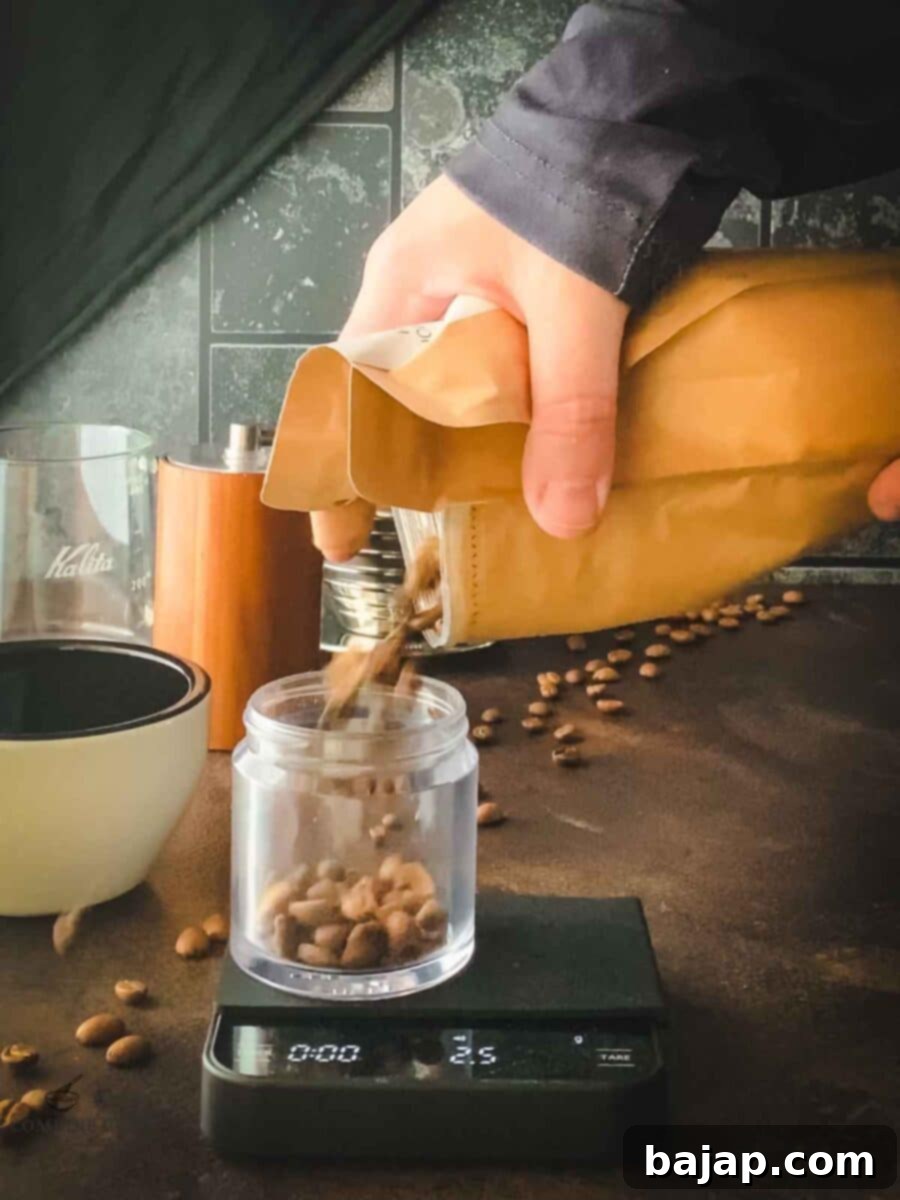
- 15 grams coffee
- 225 grams filtered water
- Ratio: approximately 1:15
This slightly stronger ratio creates a full, rounded body that complements flat-bottom brewers particularly well. If you prefer a lighter cup, you can slightly increase the amount of water. However, I recommend starting with this ratio to understand how the Kalita Wave expresses balance and sweetness.
Grind Size and Setup Essentials
Use a medium to medium-fine grind, slightly coarser than what you might use for a V60. The flat-bottom design naturally slows the flow, so grinding too fine can result in a heavy brew.
And yes, a timer is essential. I consider it indispensable for pour over brewing. I highly recommend investing in a coffee scale with a built-in timer.
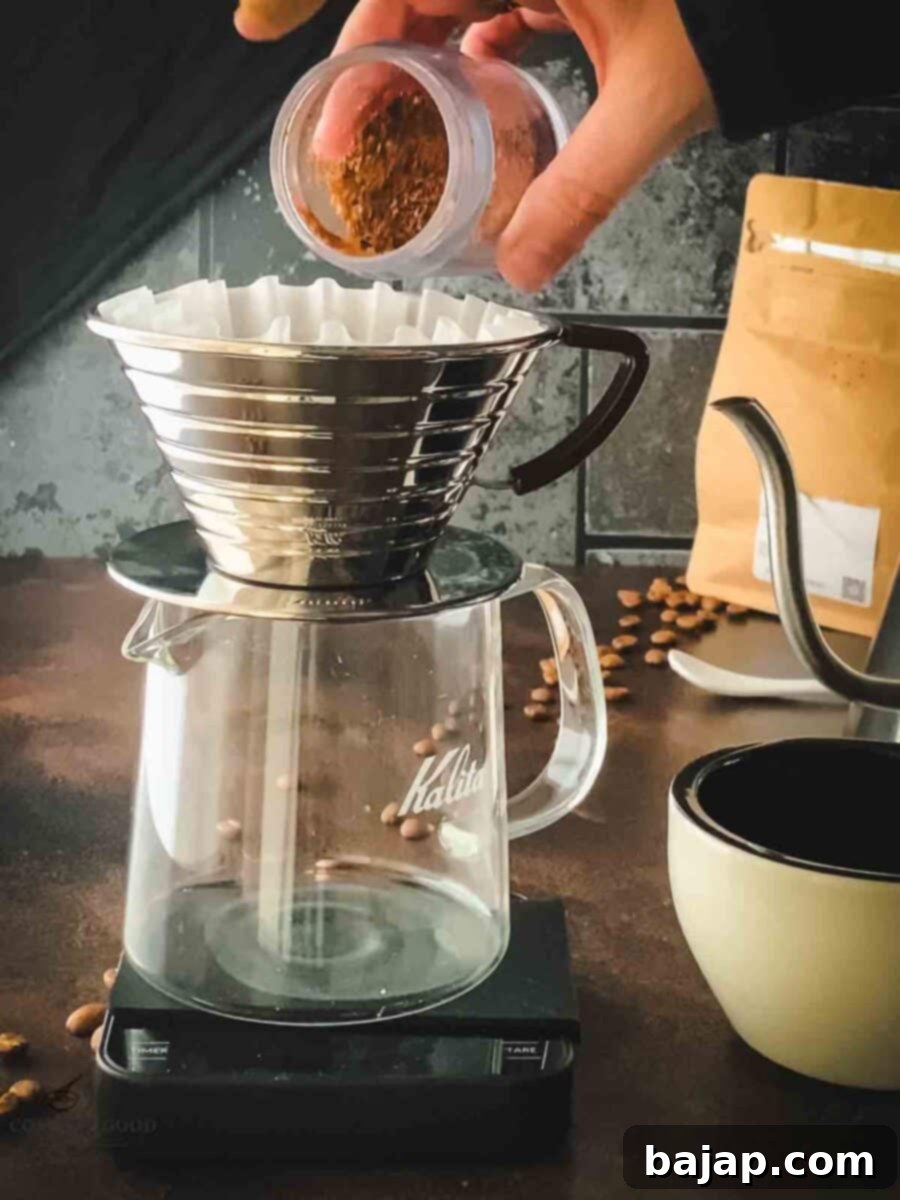
- Place the rinsed Kalita Wave filter into the dripper.
- Add your ground coffee.
- Gently shake the dripper to level the coffee bed.
- Start your timer and begin pouring.
Step-by-Step Kalita Wave Pour Over Guide
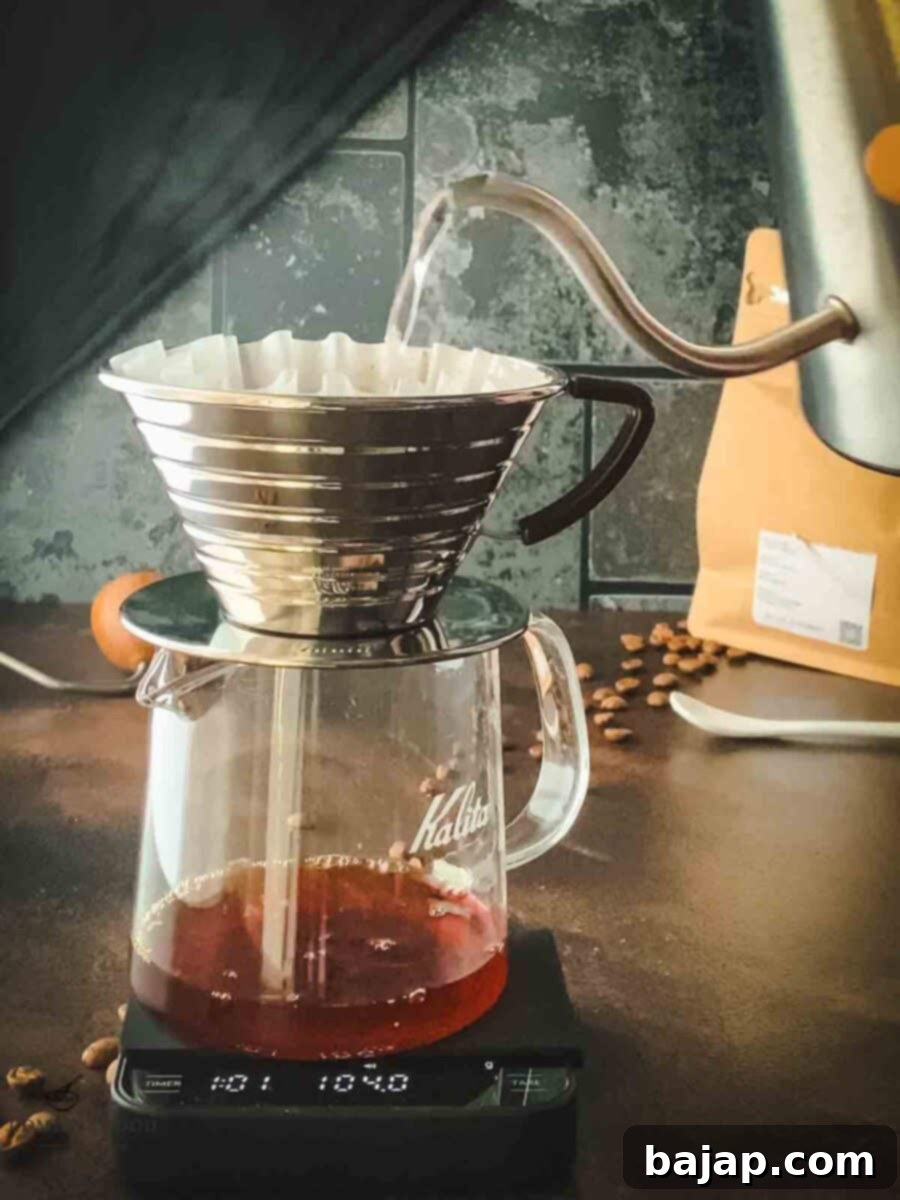
Step 1: The Bloom (0:00-0:45)
Begin your timer as soon as water makes contact with the coffee.
Gently pour approximately 40 grams of water to fully saturate the coffee bed. Allow the bloom to rest until the timer reaches 45 seconds. The bloom is the most important step in brewing a balanced coffee cup.
💡 Blooming Tip:
A common guideline is to use approximately 2 to 3 times the coffee weight in water during the bloom phase.
- 15 g coffee → approximately 30-45 g bloom water
- 20 g coffee → approximately 40-60 g bloom water
This initial step releases trapped gases and prepares the coffee grounds for even extraction.
Step 2: Second Pour (Start at 0:45)
At around 45 seconds, initiate the second pour.
Slowly add water until your total weight reaches approximately 130 grams. Pour steadily and calmly, allowing the water level to rise without flooding the bed.
This phase builds structure and continues to promote even saturation across the flat-bottom filter.
Step 3: Final Pour (Start around 1:15-1:30)
Once the water level drops slightly, begin your final pour at roughly 1 minute 15 seconds to 1 minute 30 seconds.
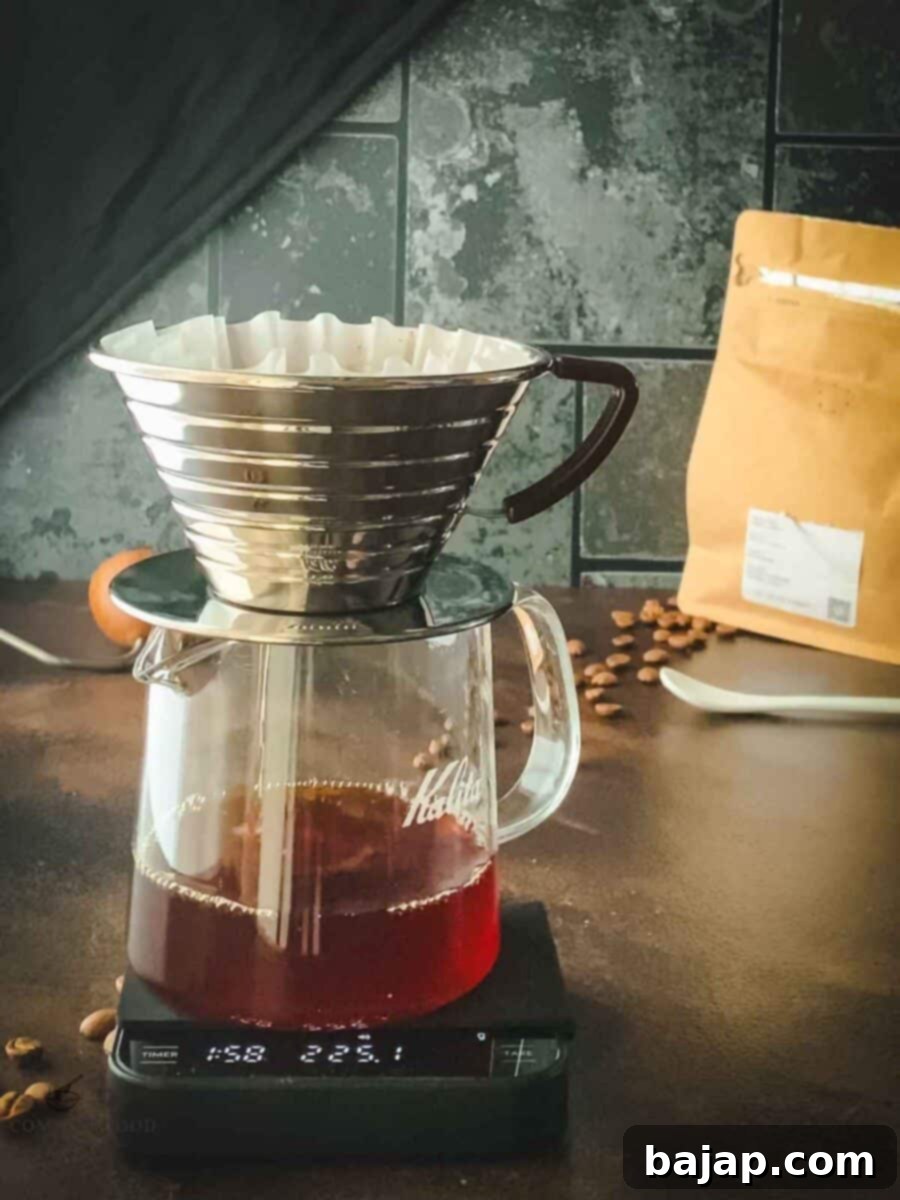
Continue pouring until you reach a total of 225 grams of water.
This completes the beginner-friendly three-pour structure:
- 0:00 → Bloom to 40 g
- 0:45 → Second pour to 130 g
- ~1:15-1:30 → Final pour to 225 g
You may find that some Kalita Wave recipes divide the water into more frequent pours over equal time intervals. While these methods offer additional control, they are not essential when you are initially learning the basics.
Step 4: The Gentle Swirl (Immediately After Final Pour)
Upon reaching your final brew weight, gently swirl the dripper. Carefully lift the Kalita Wave and rotate it slightly to settle the coffee bed and facilitate even final extraction.
Think of it as a soft finishing touch rather than vigorous agitation.
Step 5: Let the Coffee Draw Down
Allow the coffee to drip through naturally. A typical brew will finish in approximately 2 to 3 minutes, depending on your grind size and pouring speed. Waiting until it is done is crucial to avoid losing coffee flavor.
Why I Keep This Method Simple
Numerous advanced pouring styles can alter the interaction between water and the coffee bed, and exploring these techniques can be incredibly rewarding. However, when sharing a foundational Kalita Wave recipe, my primary goal is to make it feel approachable and repeatable.
A calm bloom, steady pours, and a balanced ratio are sufficient to highlight what makes the Kalita Wave special: clarity, sweetness, and a quiet sense of structure in the cup.
Troubleshooting Your Kalita Wave Brew: Diagnosing and Solving Common Issues
Even with a well-established brewing routine, minor variations in grind size, water temperature, or pouring style can affect the final cup. The Kalita Wave is wonderfully forgiving, and most issues can be resolved with a single, small adjustment.
If something tastes off, take a moment to pause and ask yourself a simple question:
What is the coffee telling me?
The flavor of the coffee often provides direct clues to the solution.
Strong and Bitter (Over-Extracted Coffee)
If your brew tastes heavy, harsh, or drying, it may be over-extracted. Don’t throw it away! There are ways to avoid this in the future.
Try adjusting the following:
- Grind slightly coarser
- Reduce overall brewing time
- Slightly decrease the coffee dose
- Use slightly cooler water
- Pour more gently to reduce agitation
Flat-bottom brewers tend to slow the flow slightly, so grinding too fine can quickly lead to bitterness.
Sour or Weak (Under-Extracted Coffee)
If the coffee tastes sharp, thin, or unfinished, the water might be passing through too quickly. Consider brewing again, and focus on the following factors.
Try the following:
- Grinding finer
- Extending the brewing time slightly
- Using slightly hotter water
- Increasing gentle turbulence during pours to improve saturation
A steady pour that fully saturates the bed can often restore sweetness to the cup.
Weak but Balanced Flavor
Sometimes a brew tastes pleasant but lacks body or strength. There is no quick fix, but rather a change in habit for future brews.
You can adjust by doing the following:
- Increasing the coffee dose
- Using a slightly finer grind
- Brewing with a lower water ratio (more coffee, less water)
This helps build structure without drastically altering the coffee’s character.
Bitter but Thin
If the cup tastes both bitter and watery, extraction may be uneven. Uneven extraction is a huge problem, and can ruin the coffee itself.
Try the following:
- Grinding a little coarser
- Shortening brew time slightly
- Increasing the coffee dose to stabilize the bed
This often occurs when water moves too quickly through certain areas of the coffee bed.
Weak but Well-Balanced Coffee
If the flavor is pleasant but feels light or diluted, your measurements or coffee may be off.
- Use a higher coffee dose
- Adjust the ratio toward less water
- Slightly coarsen the grind and shorten brewing time
Small changes here can add body without making the cup too heavy.
A Gentle Reminder: Change One Variable At A Time
When troubleshooting pour over coffee, adjust only one variable at a time. The Kalita Wave responds beautifully to small changes, and understanding how each adjustment affects flavor is part of the learning process.

Is the Kalita Wave Right For You?
Not every brewing tool suits every coffee ritual, which is what makes pour over brewing so personal. The Kalita Wave is not about chasing perfection or mastering intricate pouring patterns. It is about creating a brewing space that feels calm, consistent, and reliable, day after day. Choosing the right coffee pourover tool depends on your daily routine.
If you appreciate a slower rhythm and want a dripper that promotes consistency, the Kalita Wave can feel like a natural companion. It fits well with many lifestyles and levels of coffee experience.
For Home Brewers Seeking Stability
Many individuals approach pour over coffee feeling intimidated by the techniques involved. The Kalita Wave’s flat-bottom design can help alleviate some of this pressure. Because water spreads more evenly across the coffee bed, minor variations in pouring have a less pronounced effect on the final cup.
If you desire a brewer that feels forgiving while still producing beautifully balanced coffee, the Kalita Wave is an excellent place to start your coffee journey.
For Coffee Drinkers Who Prefer Balanced Brews
Cone-shaped brewers often emphasize brightness and clarity, but flat-bottom drippers tend to create a more rounded profile with consistent sweetness and body. If you enjoy coffees that feel smooth and composed rather than sharp or overly intense, the Kalita Wave may perfectly align with your taste preferences. Depending on your level of roast, the balanced brew will be perfect for your mornings.
Personally, I often reach for the Kalita Wave when I want clarity without chaos. It allows me to concentrate on the flavor rather than constantly correcting my pour.
Ideal For Daily Coffee Brewing Routines
Some brewing tools feel more like special occasion equipment. The Kalita Wave, however, integrates seamlessly into a daily routine.
Its workflow is simple, repeatable, and easy to follow, even on busy mornings. Whether you brew a single cup with the 155 or a slightly larger batch to share, the process remains calm and approachable.
Explore Flat-Bottom Brewing with Kalita Wave
If you have primarily used cone drippers in the past, the Kalita Wave offers a fresh perspective on how coffee extraction can feel. The shallower, more even coffee bed encourages a slower, steadier flow, which many brewers find easier to interpret and adjust over time.
It is not about replacing your other brewers but about discovering a different style of brewing that values patience and consistency. Adding this pourover tool to your kitchen provides versatility for coffee at any time of day.
For Quiet Ritual Seekers
Some mornings are not about pursuing complexity but about standing by the kettle, observing the bloom rise, and letting the rhythm of pouring settle into a familiar routine. This is the zen experience most at-home baristas seek, and can achieve on a daily basis.
If that sounds like your ideal brewing experience, the Kalita Wave might already feel like home.
Elevating Your Kalita Wave Technique
Once you feel comfortable with the Kalita Wave, brewing becomes less about rigidly following steps and more about exploring rhythm and finesse. The three-pour method detailed here provides a solid and dependable foundation, but it represents just one approach to flat-bottom brewing.
As your confidence increases, you may find yourself adjusting timing, experimenting with different pouring structures, or refining how you build extraction from the bloom to the final drawdown. Some brewers prefer dividing the water into smaller, evenly timed pours, while others focus on subtle adjustments in flow and agitation. These advanced techniques unlock a completely new level of understanding and contribute to the endless fascination of manual brewing.
For now, I encourage you to maintain your curiosity without feeling rushed. Allow your palate to guide you, and observe how subtle changes influence the cup.
A Final Note on Personal Taste
When brewing pour over coffee, I typically prefer to drink it black. The clarity and balance offered by a Kalita Wave extraction are something I genuinely appreciate on their own, and for me, this quiet simplicity is an integral part of the ritual. Sipping balanced and clear coffee in the morning brings a calming joy.
However, coffee is a deeply personal experience, and there is no single “correct” way to enjoy it. Many readers enjoy combining their brews with milk or creamers, especially when using methods such as French press, AeroPress, the Clever Dripper, or even a slightly stronger Kalita Wave recipe. These methods can create beautiful texture and warmth without the need for a home espresso machine. This option allows you to brew a latte or cappuccino at home without purchasing a costly espresso machine.
Because of this, I created a guide that focuses on how to adapt your brewing